Proper peptide storage is essential for maintaining molecular stability, analytical integrity, and experimental reliability. Whether in lyophilized (freeze-dried) form or reconstituted in solution, peptide compounds require controlled handling to preserve structure and purity.
This guide outlines best practices for storing research peptides in laboratory environments.
Understanding Peptide Stability
Peptide stability depends on several factors:
• Amino acid sequence length
• Structural susceptibility to hydrolysis
• Exposure to moisture
• Temperature fluctuations
• Oxidation risk
• pH environment (for solutions)
Proper storage minimizes degradation pathways such as oxidation, hydrolysis, and aggregation.
All peptide compounds should be handled strictly for in-vitro research use only.
Storage Guidelines for Lyophilized (Unmixed) Peptides
Lyophilized peptides are generally more stable than peptides stored in solution because the absence of moisture reduces hydrolytic degradation. You can find our full selection of lyophilized peptides in our shop (link here).
Short-Term Storage (Room Temperature)
Lyophilized peptides may remain stable at controlled room temperature for approximately 30 to 60 days, depending on sequence composition and environmental conditions.
However:
Upon receipt, peptides should be stored under refrigeration (?4°C / 39°F) whenever possible to maximize stability.
Refrigerated Storage (Recommended Upon Receipt)
Temperature: ?4°C (39°F)
When stored in a refrigerator:
• Lyophilized peptides can remain stable for 1 to 2 years
• Stability depends on sequence characteristics and moisture control
• Airtight storage is essential
Refrigeration significantly reduces molecular degradation rates.
Freezer Storage for Long-Term Stability
If peptides will not be used within 1–2 months, freezing is preferable.
Standard Freezer Storage
Temperature: -18°C (0°F)
At this temperature:
• Lyophilized peptides may remain stable for 2 to 3 years
Ultra-Low Temperature Storage (Optimal)
Temperature: -80°C (-112°F)
Ultra-low temperature storage offers the highest level of long-term preservation.
When stored at -80°C:
• Peptide stability may extend beyond 3 years
• Molecular degradation is significantly slowed
• Oxidative and hydrolytic reactions are minimized
This method is considered optimal for extended laboratory storage.
Storage Guidelines for Reconstituted (Solution) Peptides
Peptides in solution are inherently less stable than lyophilized forms due to moisture exposure.
Stability depends on:
• Peptide sequence
• Solvent composition
• pH level
• Temperature
• Exposure to repeated freeze-thaw cycles
Short-Term Refrigerated Storage
Temperature: 4°C (39°F)
Reconstituted peptide solutions generally remain stable for up to 30 days under refrigeration.
However, stability may vary depending on:
• Sequence length
• Susceptibility to oxidation
• Structural sensitivity
Laboratory assessment is recommended when extended solution storage is required.
Long-Term Storage of Peptides in Solution
If peptides must be stored in solution for longer periods:
• Use sterile buffers when appropriate
• Maintain pH between 5 and 6 when compatible with research design
• Aliquot solutions into smaller volumes
• Avoid repeated freeze-thaw cycles
Freezing Reconstituted Peptides
For extended storage:
-80°C (-112°F) freezing is optimal
Aliquoting solutions before freezing is strongly recommended to reduce molecular stress from repeated thawing.
Repeated freeze-thaw cycles can accelerate:
• Aggregation
• Structural instability
• Degradation
Preventing Oxidation and Moisture Contamination
Peptide degradation may occur due to:
• Oxygen exposure
• Humidity
• Improper sealing
• Temperature fluctuation
Best practices include:
- Storing peptides in airtight, moisture-resistant containers
- Minimizing exposure to ambient air
- Using desiccants where appropriate
- Avoiding prolonged room temperature exposure
Oxidation-sensitive sequences may require additional protective handling depending on research needs.
Peptide Storage Containers and Handling
Appropriate laboratory storage containers include:
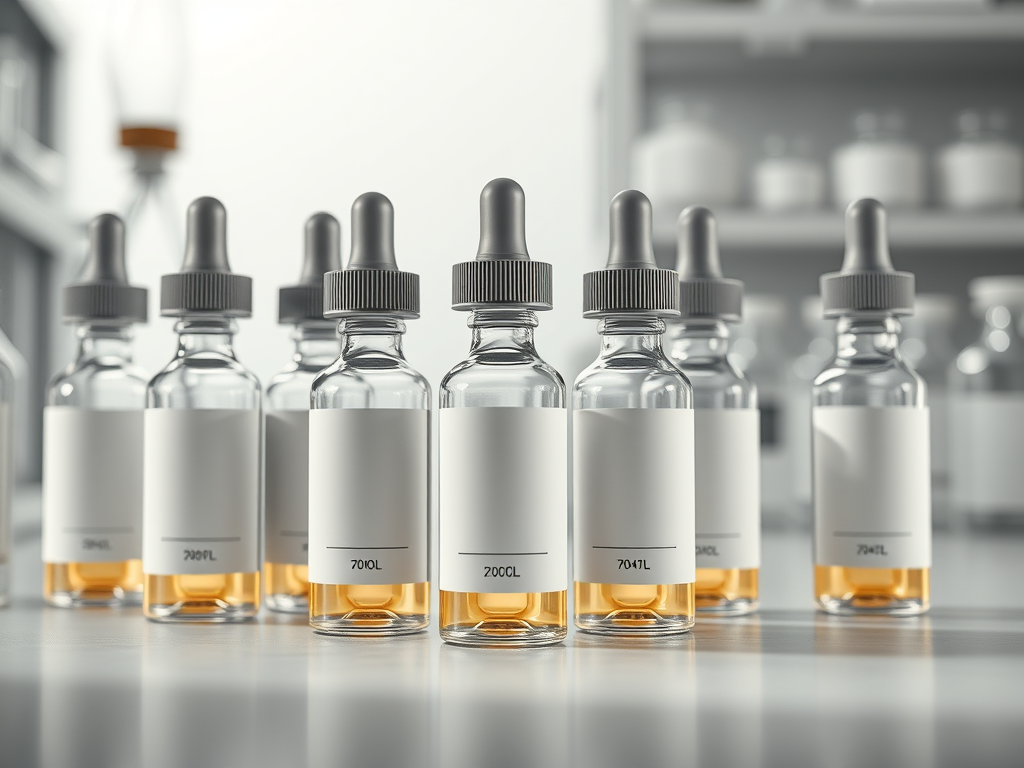
• Sealed vials with tight caps
• Sterile glass containers
• Low-binding laboratory-grade materials
Containers should:
• Limit moisture ingress
• Prevent light exposure when necessary
• Maintain structural integrity at low temperatures
Key Takeaways for Laboratory Peptide Storage
Lyophilized Peptides:
• 30–60 days at room temperature (controlled conditions)
• 1–2 years at ?4°C (39°F)
• 2–3 years at -18°C (0°F)
• Longest stability at -80°C (-112°F)
Reconstituted Peptides:
• Up to 30 days at 4°C (39°F)
• Prefer pH 5–6 buffers for stability when appropriate
• Aliquot to prevent repeated freeze-thaw cycles
• -80°C (-112°F) preferred for extended preservation
All handling should follow laboratory research standards and Research-Use-Only guidelines.
Final Thoughts
Proper peptide storage is critical for maintaining analytical reliability and experimental reproducibility. Temperature control, moisture prevention, oxidation mitigation, and thoughtful aliquoting practices contribute to peptide stability in laboratory environments.
All research peptides should be clearly designated for in-vitro research use only and handled in accordance with appropriate laboratory protocols.
You can read more about peptide storage guidelines in A Comparative Study of Peptide Storage Conditions Over an Extended Time Frame (view source)
Buy peptides online with Main Peptides, your trusted laboratory supplier.